
The Batwa Story in Rushaga Village
Life in Rushaga Village:
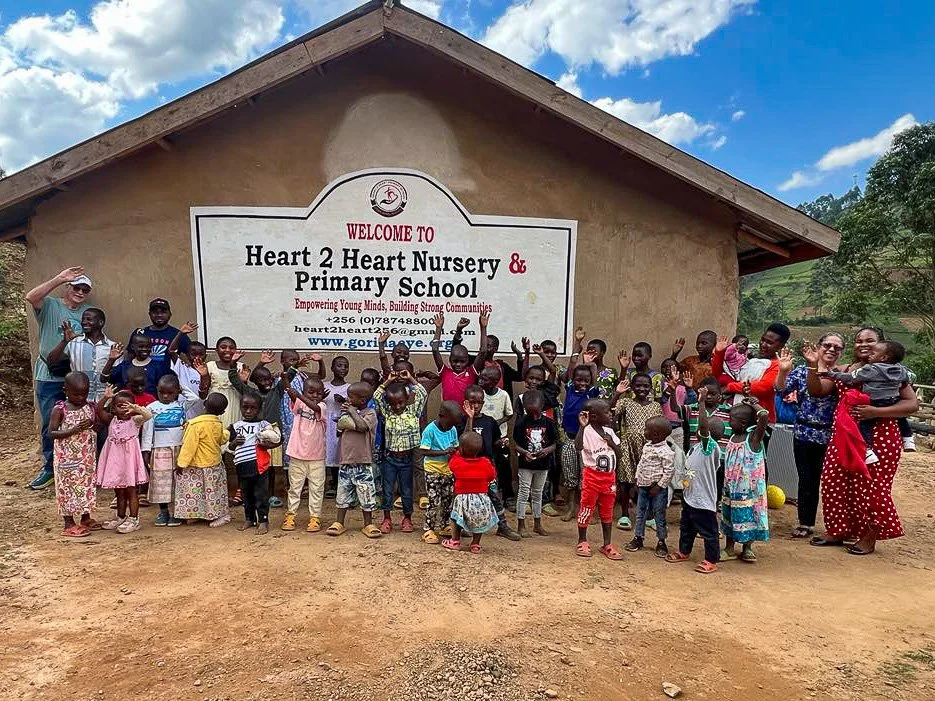
Where Hope Begins
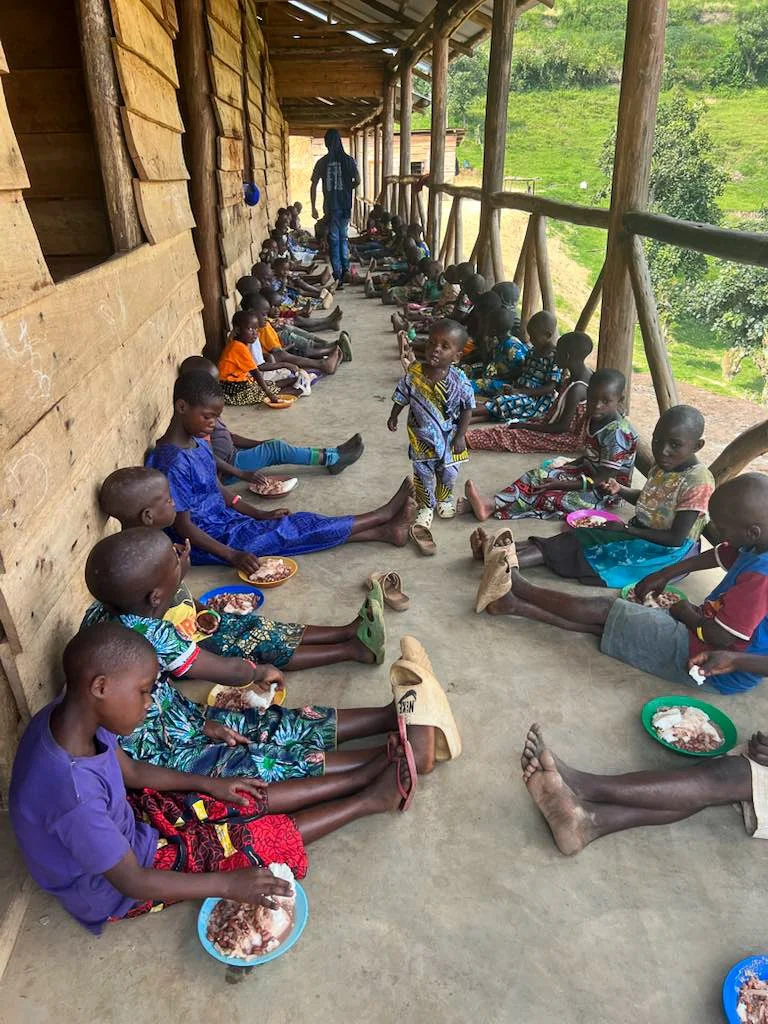
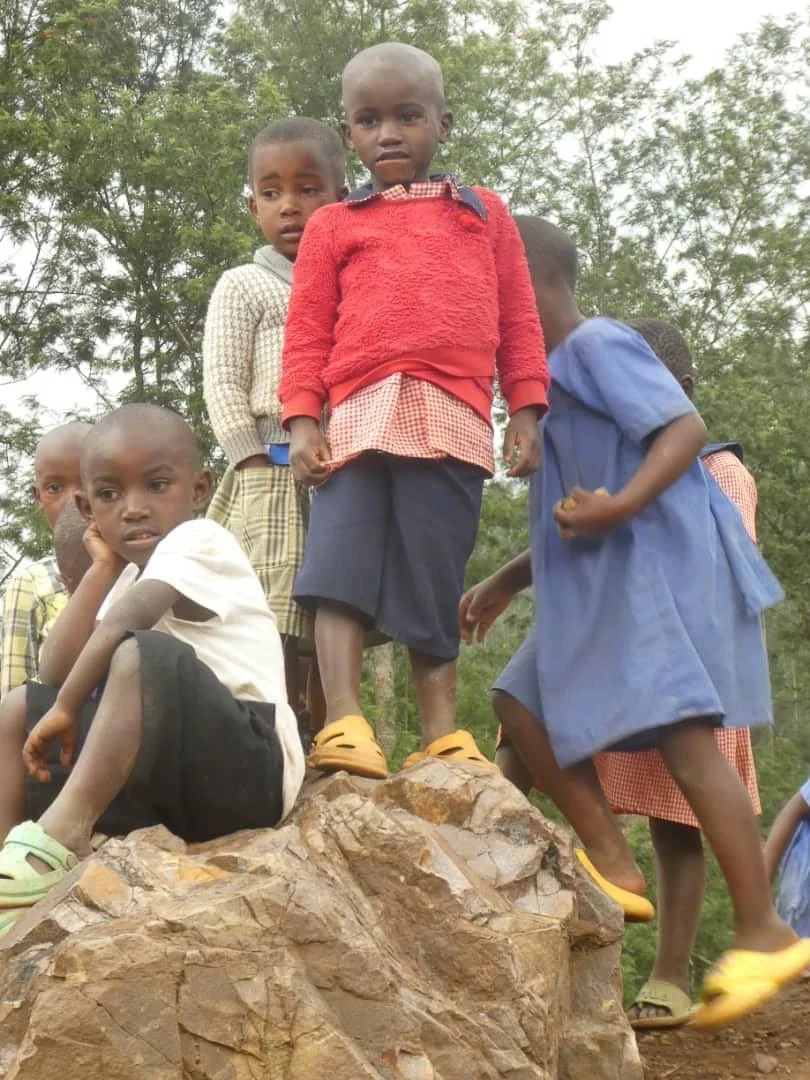
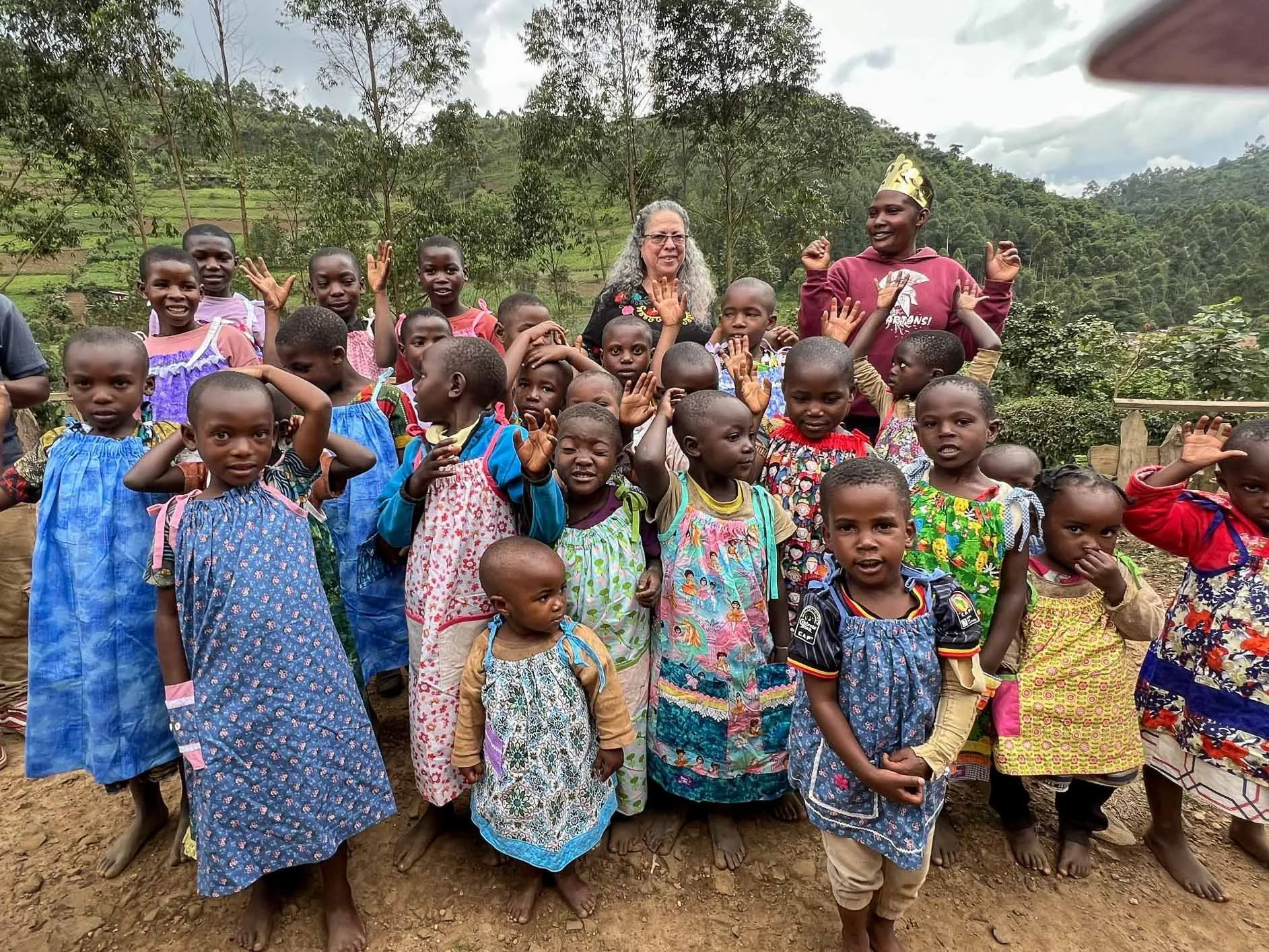
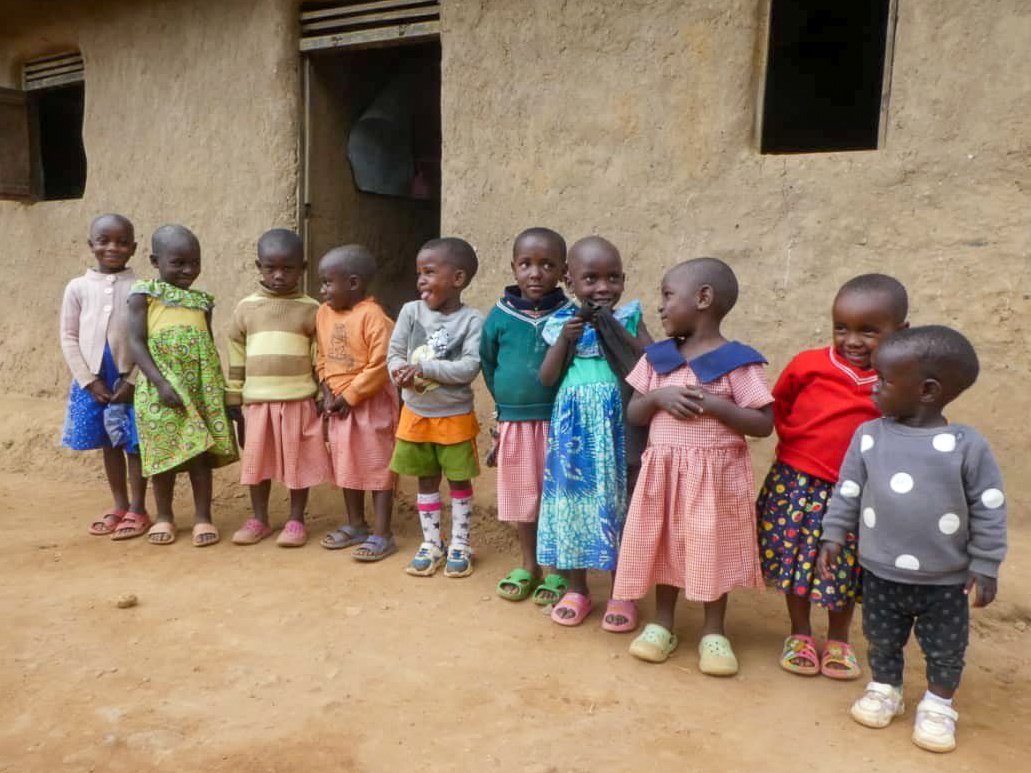
For many of these children, this is their first experience of school, structure, and daily care. What you see here is more than a building—it is a place where children are fed, taught, and given a chance at a different future. Behind every face is a story of hardship, but also the beginning of something new.
Understanding the Batwa and the Work Being Done
Rushaga Village, located in southwestern Uganda near the Bwindi Impenetrable Forest, is home to one of the most marginalized people groups in the region—the Batwa.
The Batwa are an indigenous forest people who once lived in and depended on the forest for their survival. In the early 1990s, when the forest was designated as a protected national park for gorilla conservation, they were removed from their land without a structured resettlement plan.
Today, many Batwa families live as squatters on land they do not own, facing daily challenges that affect nearly every part of life.
Rushaga Village, located in southwestern Uganda near the Bwindi Impenetrable Forest, is home to one of the most marginalized people groups in the region—the Batwa.
The Batwa are an indigenous forest people who once lived in and depended on the forest for their survival. In the early 1990s, when the forest was designated as a protected national park for gorilla conservation, they were removed from their land without a structured resettlement plan.
Today, many Batwa families live as squatters on land they do not own, facing daily challenges that affect nearly every part of life.
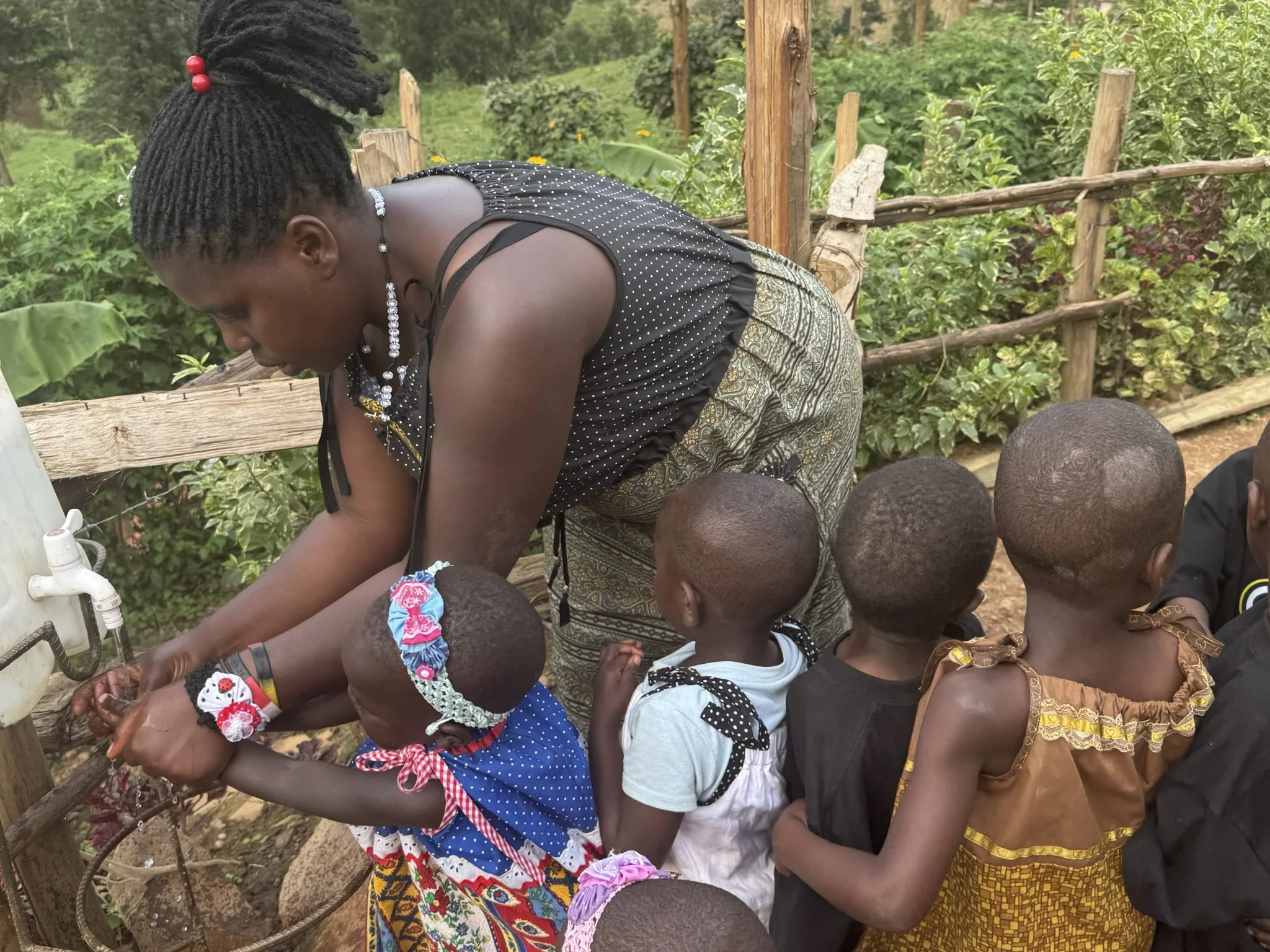
Real Impact on the Ground
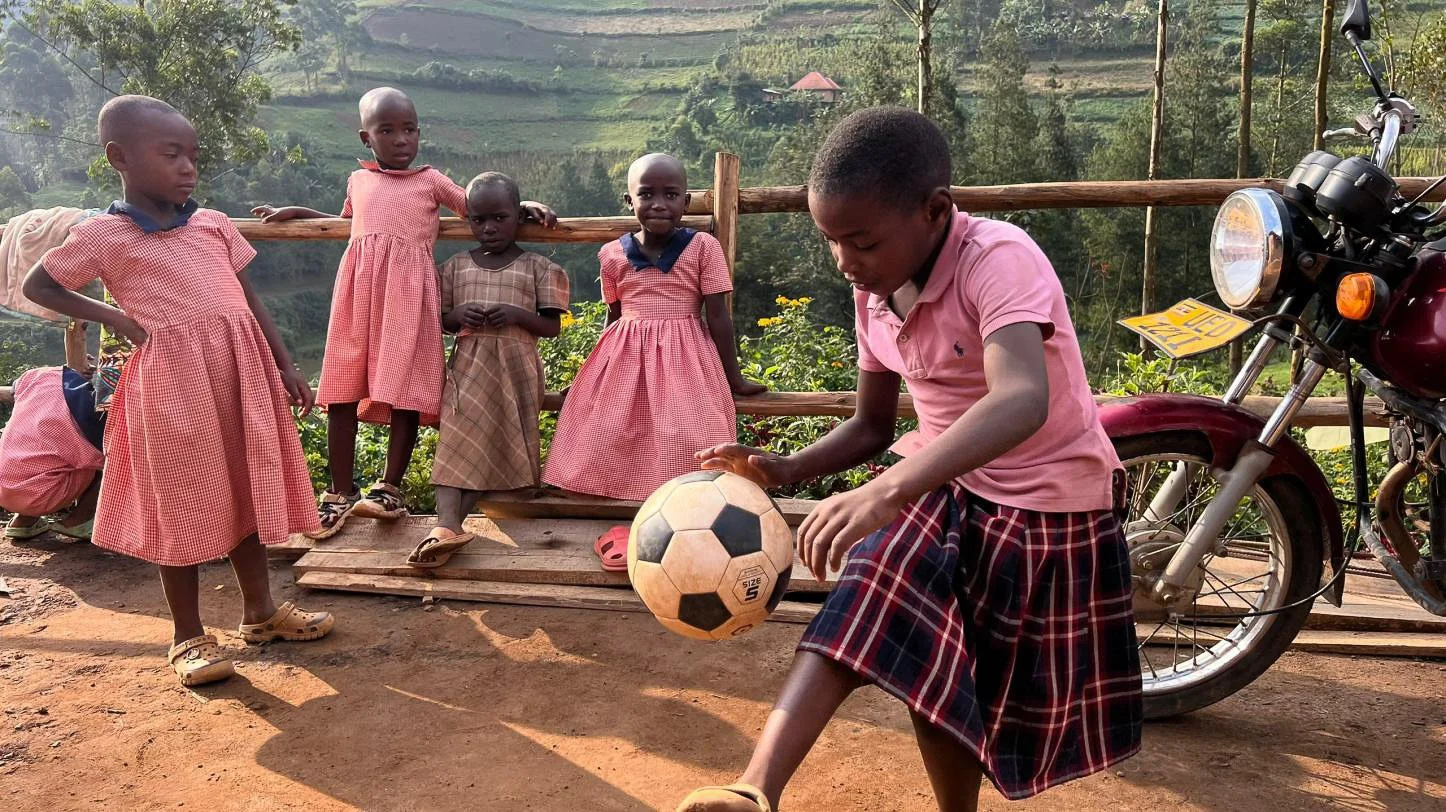
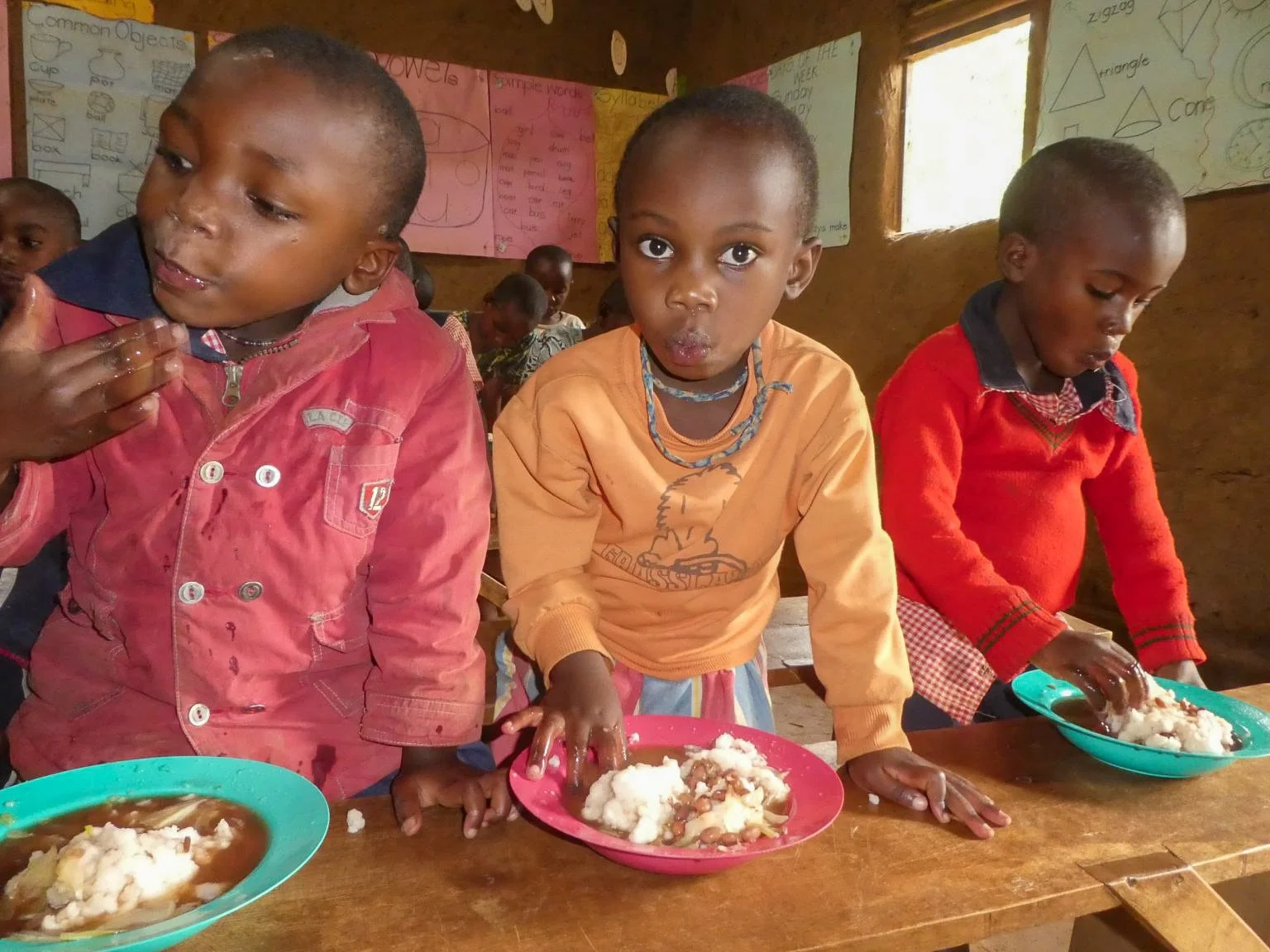
Heart 2 Heart Nursery and Primary School now serves children who would otherwise go without education or daily meals. With local teachers, staff, and leadership in place, the program continues to grow—providing not only learning, but healthcare, food, and pathways toward long-term sustainability.
Who Are the Batwa?
For generations, the Batwa lived in harmony with the forest, gathering food, hunting small game, and sustaining themselves through traditional knowledge.
After being displaced, they were left without land, resources, or the skills needed to survive in a completely different environment. As a result, many families now live in extreme poverty, with limited access to education, healthcare, and basic necessities.
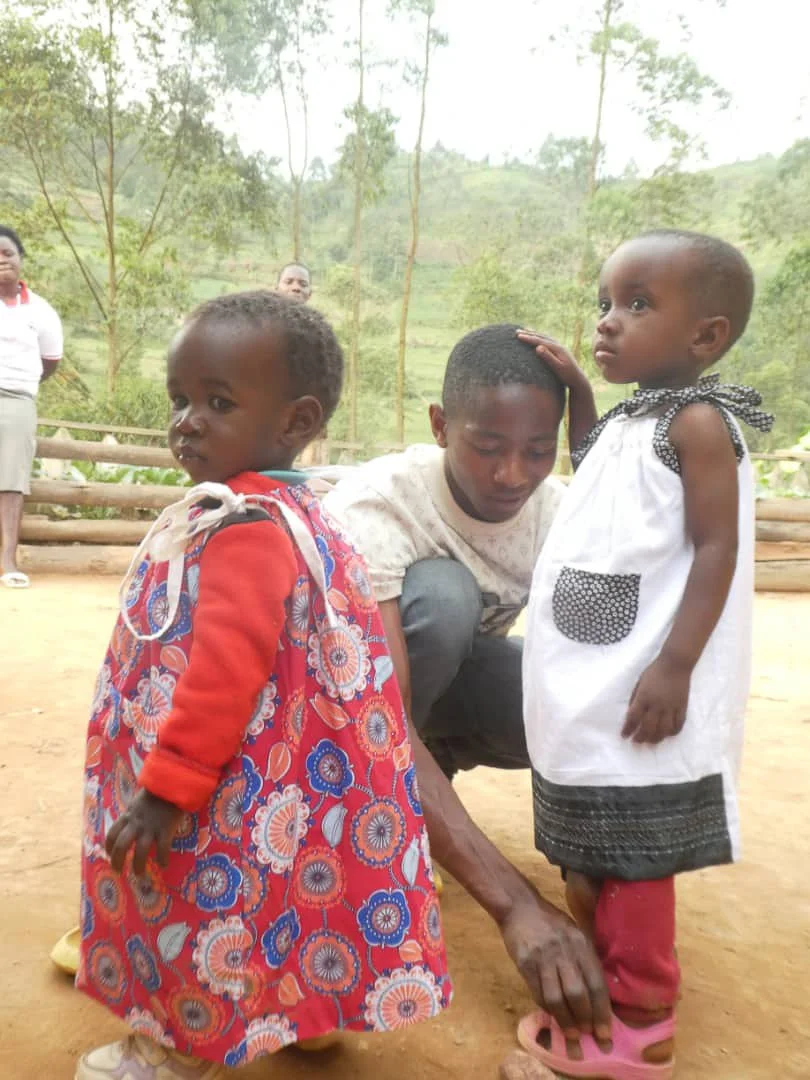
This has led to ongoing cycles of hardship, including high rates of preventable disease and child mortality. Many children never attend school, and families often struggle just to meet daily needs.
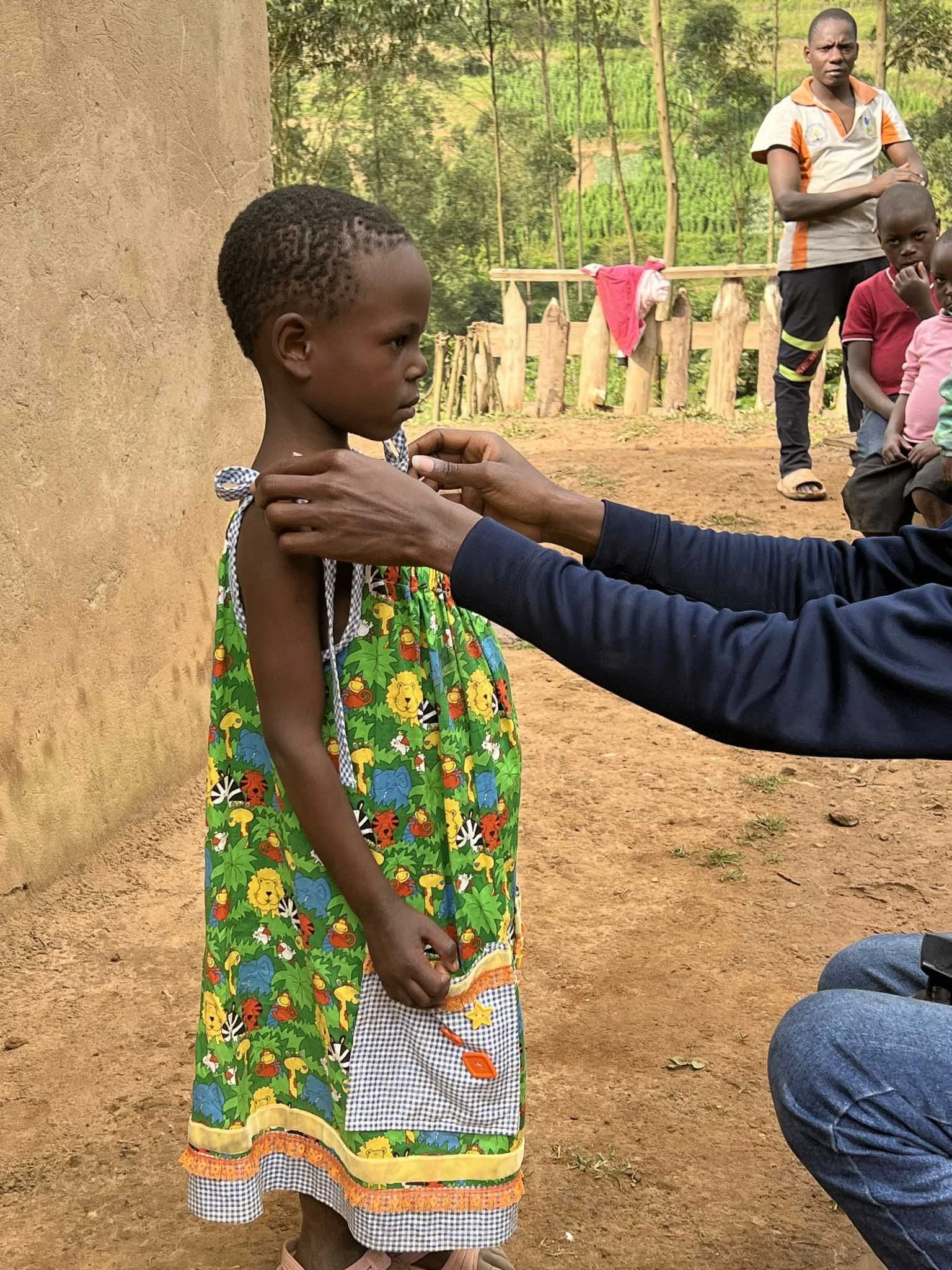
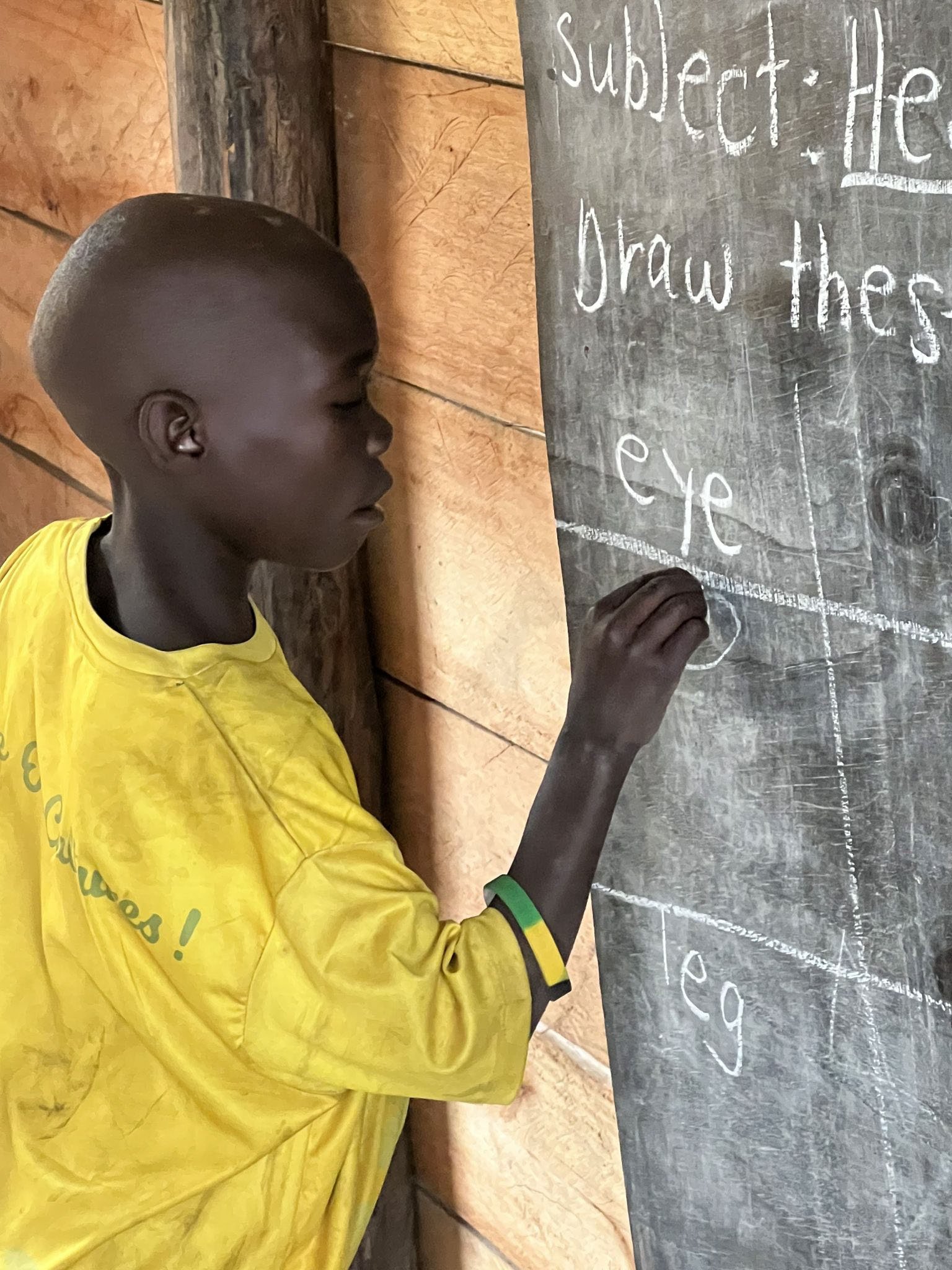
Why Help Is Needed
Without land ownership, families cannot farm or build stability. Without education, children have little opportunity for the future. Without access to healthcare, preventable illnesses continue to take lives.
The challenges are interconnected—education, health, food, and income all depend on one another. Addressing just one is not enough. Long-term change requires a consistent, holistic approach.
Land Is the Foundation
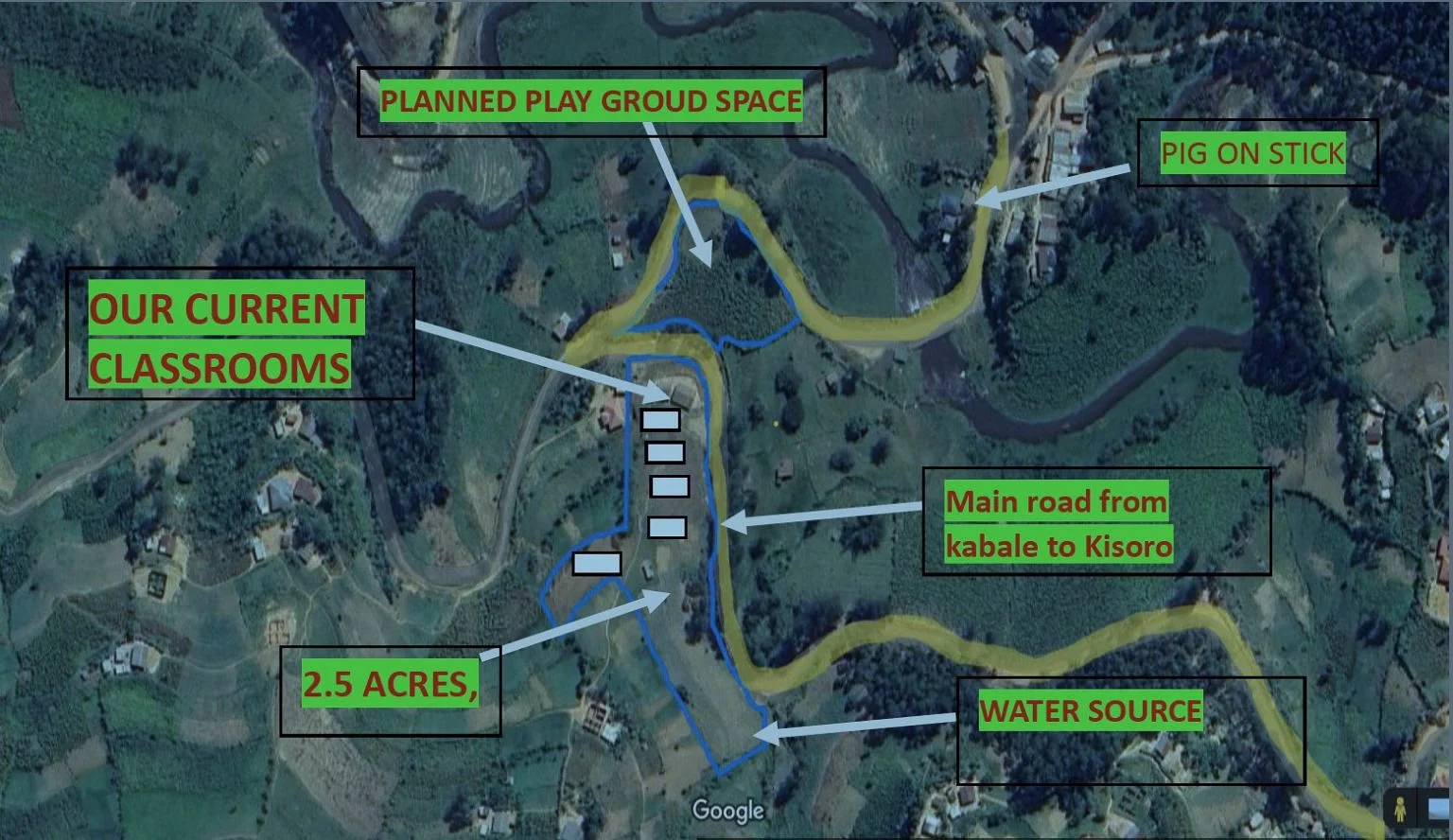
Without land, families cannot farm, build, or sustain themselves. This map shows the school and the surrounding areas where future development is needed to support education, food production, and long-term community stability.
How Heart 2 Heart Began
Heart 2 Heart Hand N Hand International (H2H) began working in Rushaga Village in partnership with local leadership, including Richard Mwesigwa, who had already built strong relationships with Batwa families.
The goal was not just to provide temporary relief, but to invest in long-term, sustainable change—building systems that support education, health, and self-reliance.
Education: Building a Foundation
One of the first major steps was establishing the Heart 2 Heart Nursery and Primary School.
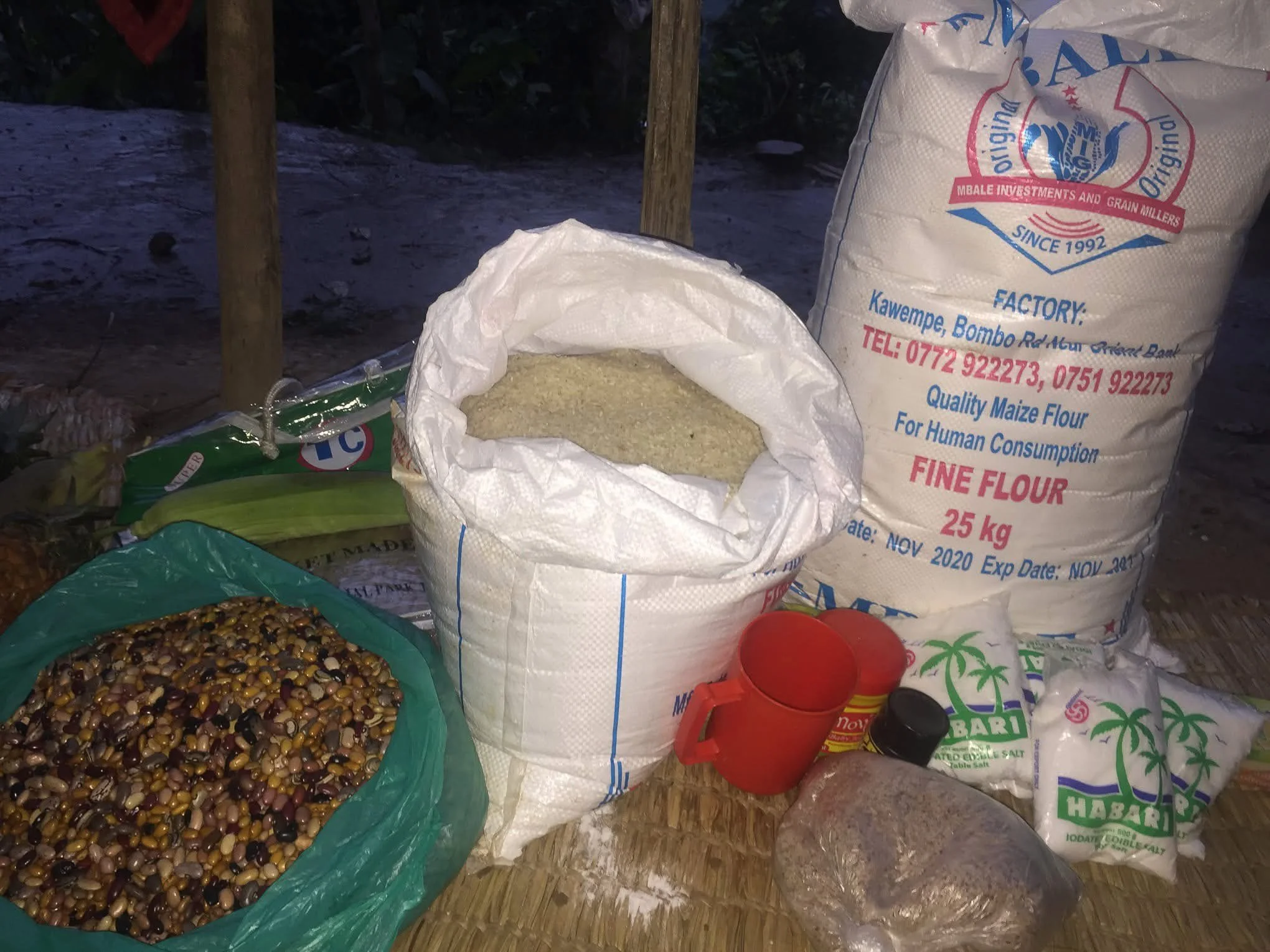
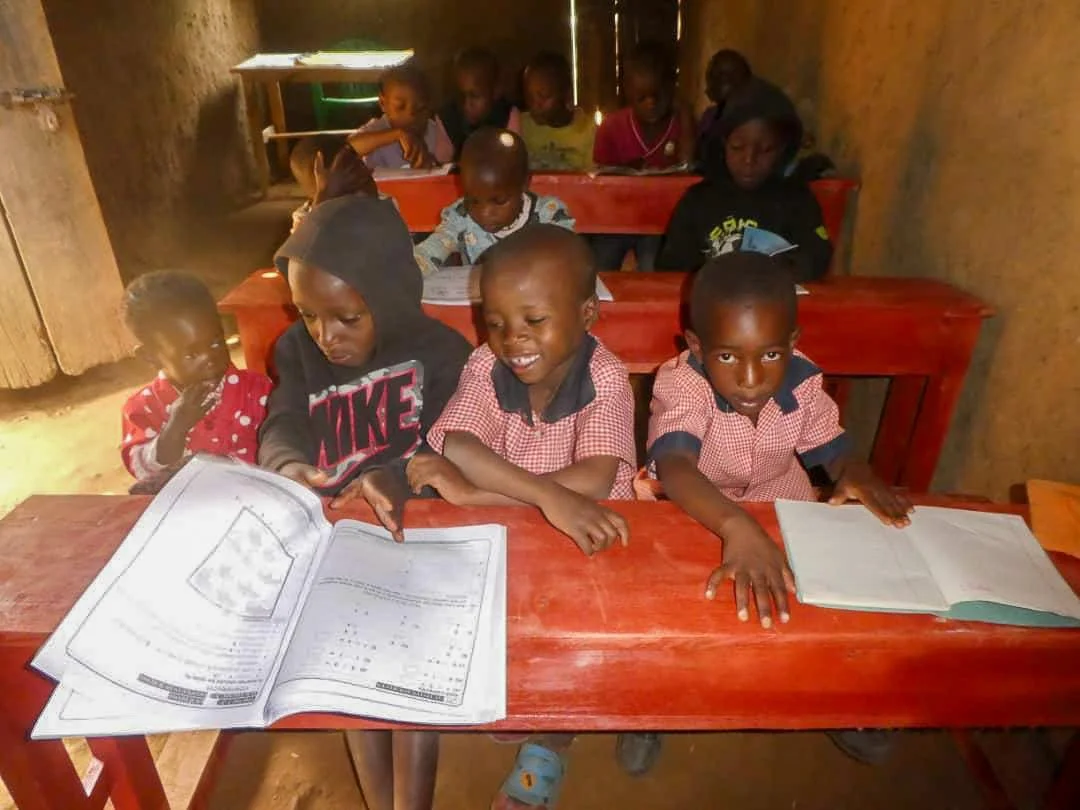
Many of the children who enrolled had never been in a classroom, even at older ages. Today, the school provides education, daily meals, school supplies, and a safe, structured environment where children can learn and grow.
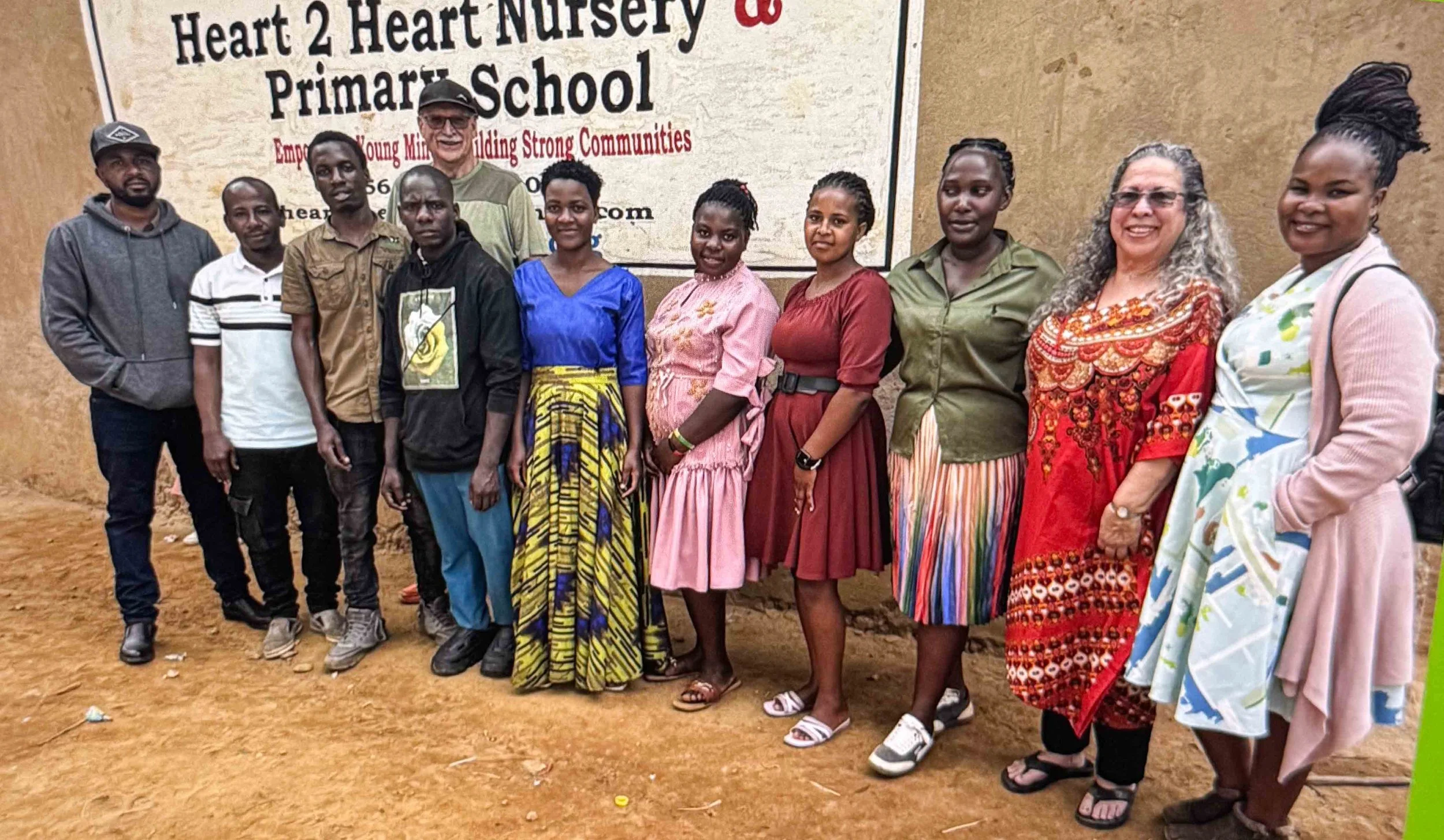
H2H supports local staff, including teachers, a cook, and now a nurse, creating consistency and care within the program. For many families, the school is the only reliable source of support their children receive.
Current Conditions and Ongoing Needs
Despite the progress, conditions remain challenging.
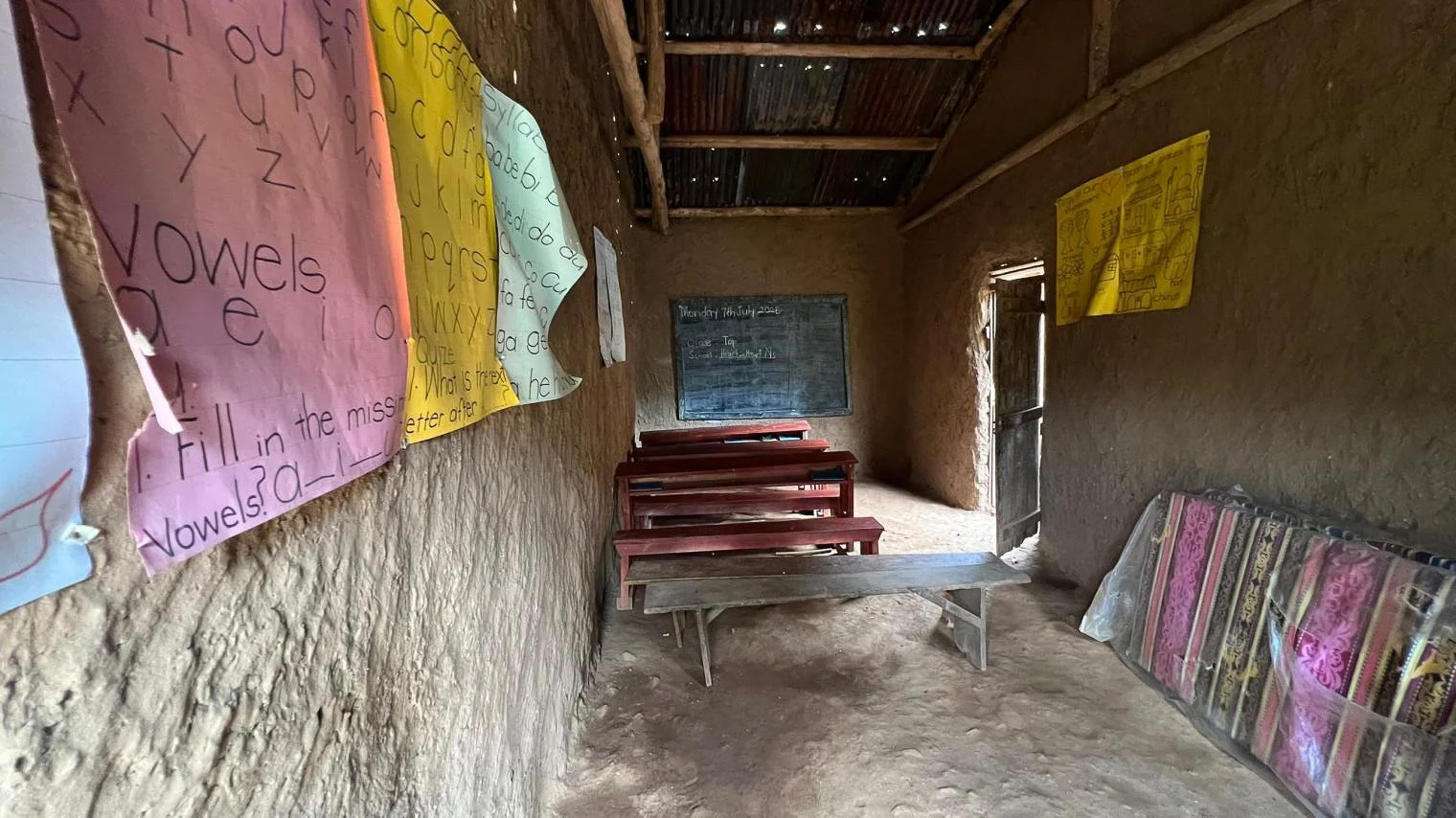
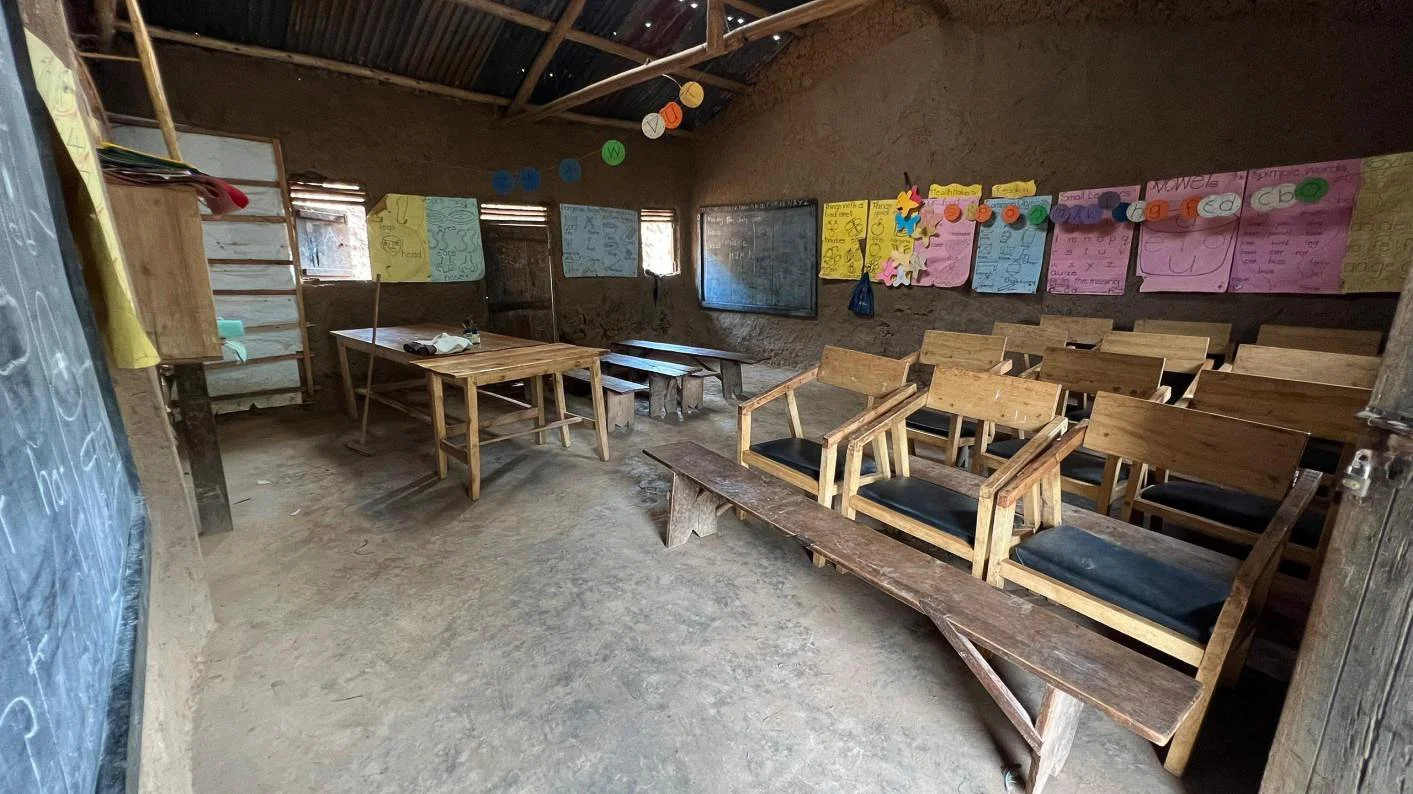
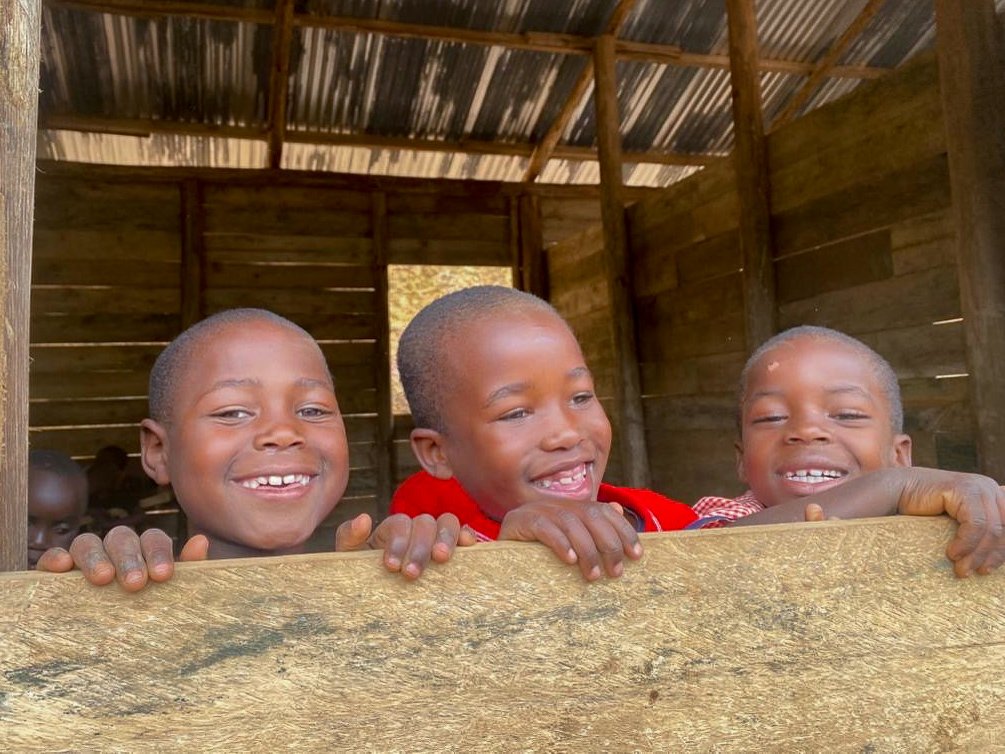
The school has been operating in aging buildings with limited space, poor lighting, and inadequate facilities. Classrooms are overcrowded, and some children still sit on the floor due to a shortage of desks.
Efforts are now underway to build improved school facilities that will provide a safer learning environment and allow more children to attend.
Expanding into Healthcare
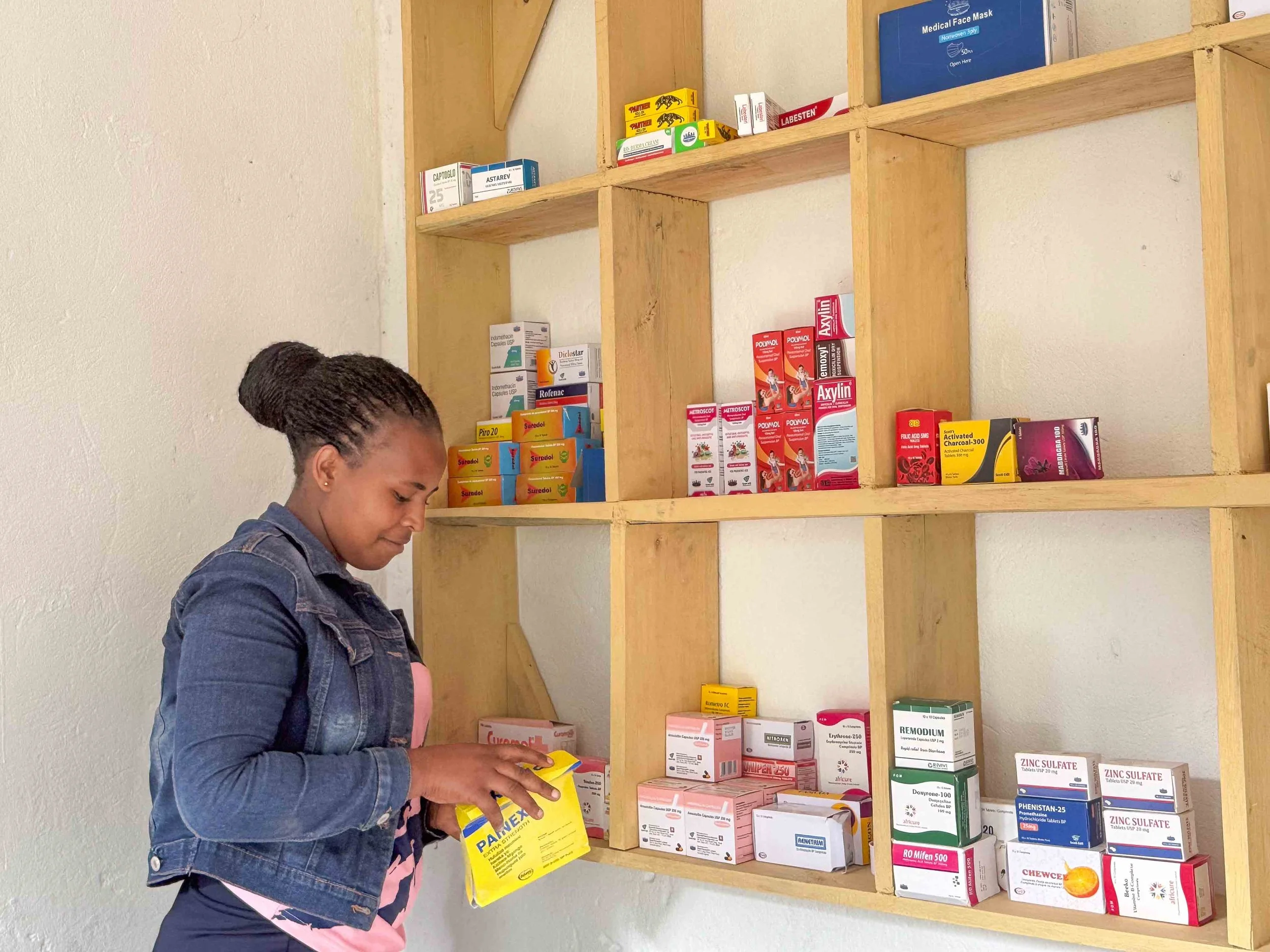
To address urgent health needs, a medical clinic has been opened within the school.
This clinic provides basic treatment, care for common illnesses, and an essential first point of access for children and families who otherwise have little to no medical support.
It has already begun to improve health outcomes and reduce the risks associated with untreated illness.
Building Long-Term Sustainability
H2H has expanded beyond education to develop programs focused on long-term sustainability.
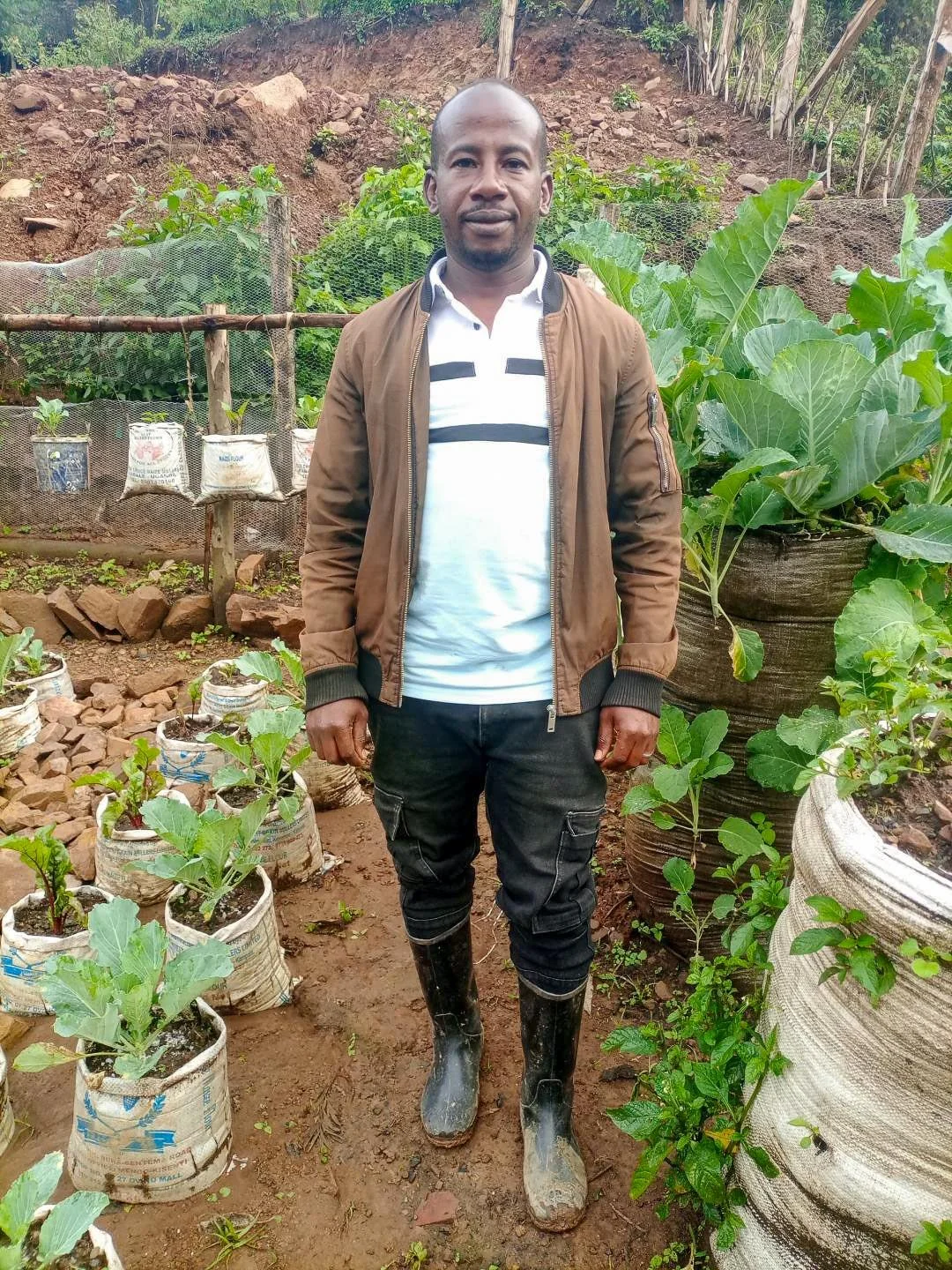
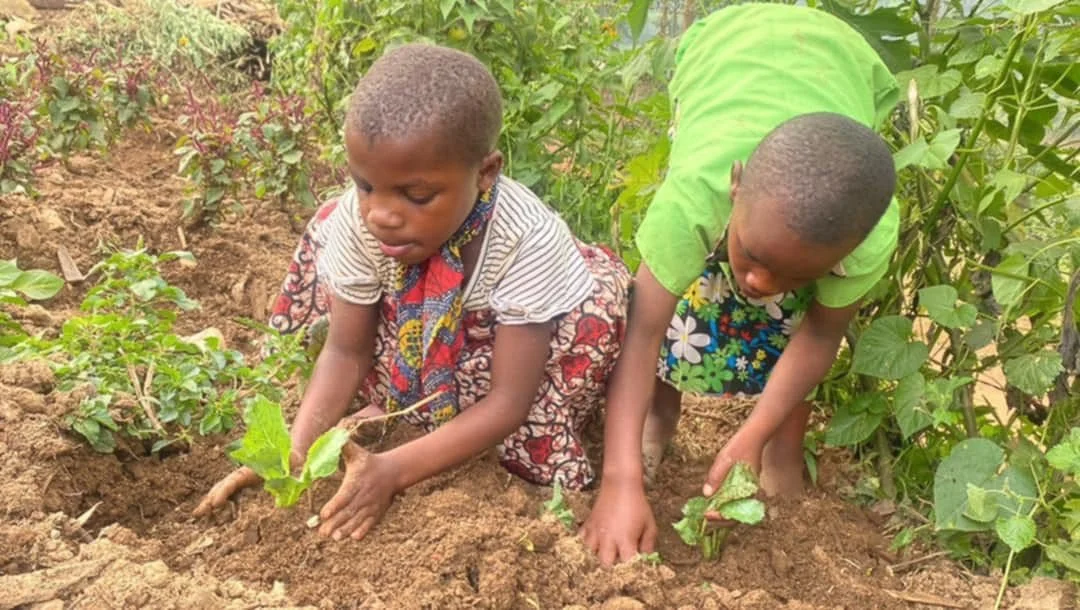
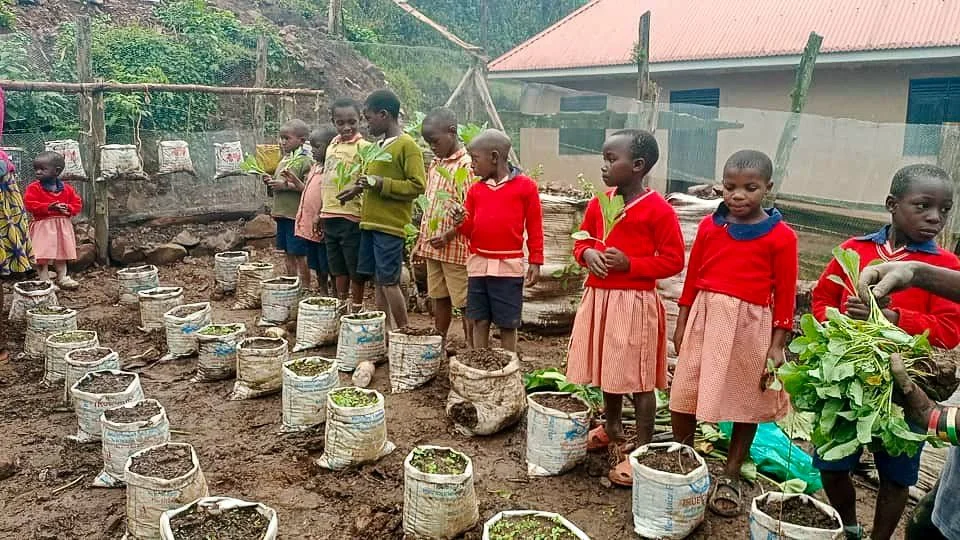
Agricultural efforts include vegetable gardens, pig farming, and small animal projects, helping provide both food and potential income for families.
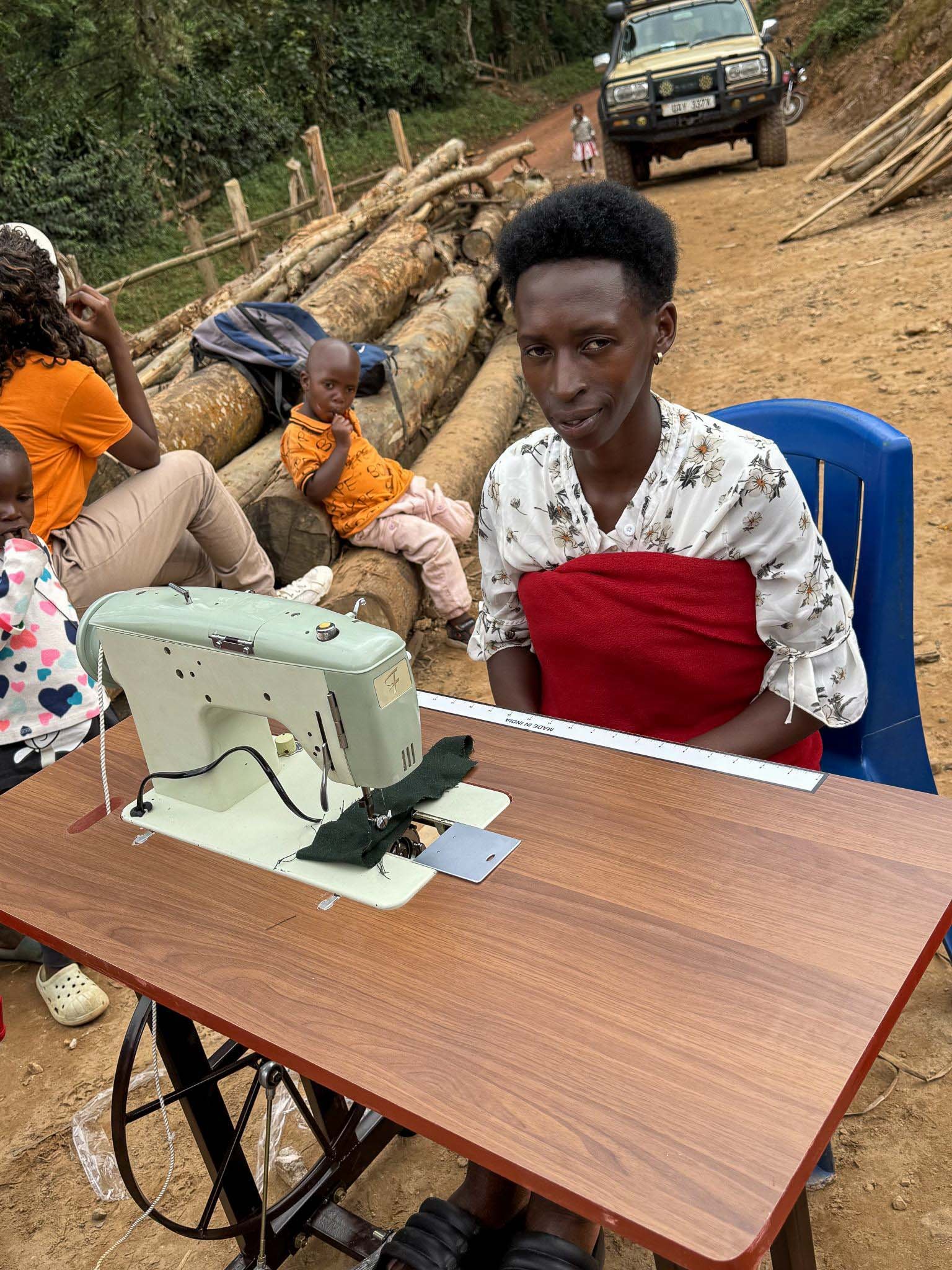
Additional initiatives include a sewing machine program that creates skill-based income opportunities, particularly for women, and a small coffee shop project that supports local economic activity.
These programs are designed to move families toward independence rather than ongoing reliance.
Land and Water: Critical Needs
Access to land remains one of the most urgent needs. Without it, families cannot build stability or provide for themselves through farming.
Water access is also a major challenge. Children often walk long distances each day to collect clean water, which affects both their health and their ability to attend school consistently.
Plans are in place to secure land and develop a water system that can supply clean water directly to the school and surrounding community.
Beyond Education-Full Support
“It was you who set all the boundaries of the earth; you made both summer and winter.”
Psalm 74:17
Transportation Challenges
Transportation continues to be a barrier in this rural region.
Access to medical care, supplies, and ongoing program support all depend on reliable transportation, which remains limited and costly.
Real Progress on the Ground
Despite the challenges, meaningful progress has been made.
The school is operating, children are learning, meals are being provided, local staff are employed, and new initiatives in healthcare and sustainability are taking shape.
These efforts are creating real change—giving children structure, support, and opportunities that were previously out of reach.
A Path Forward
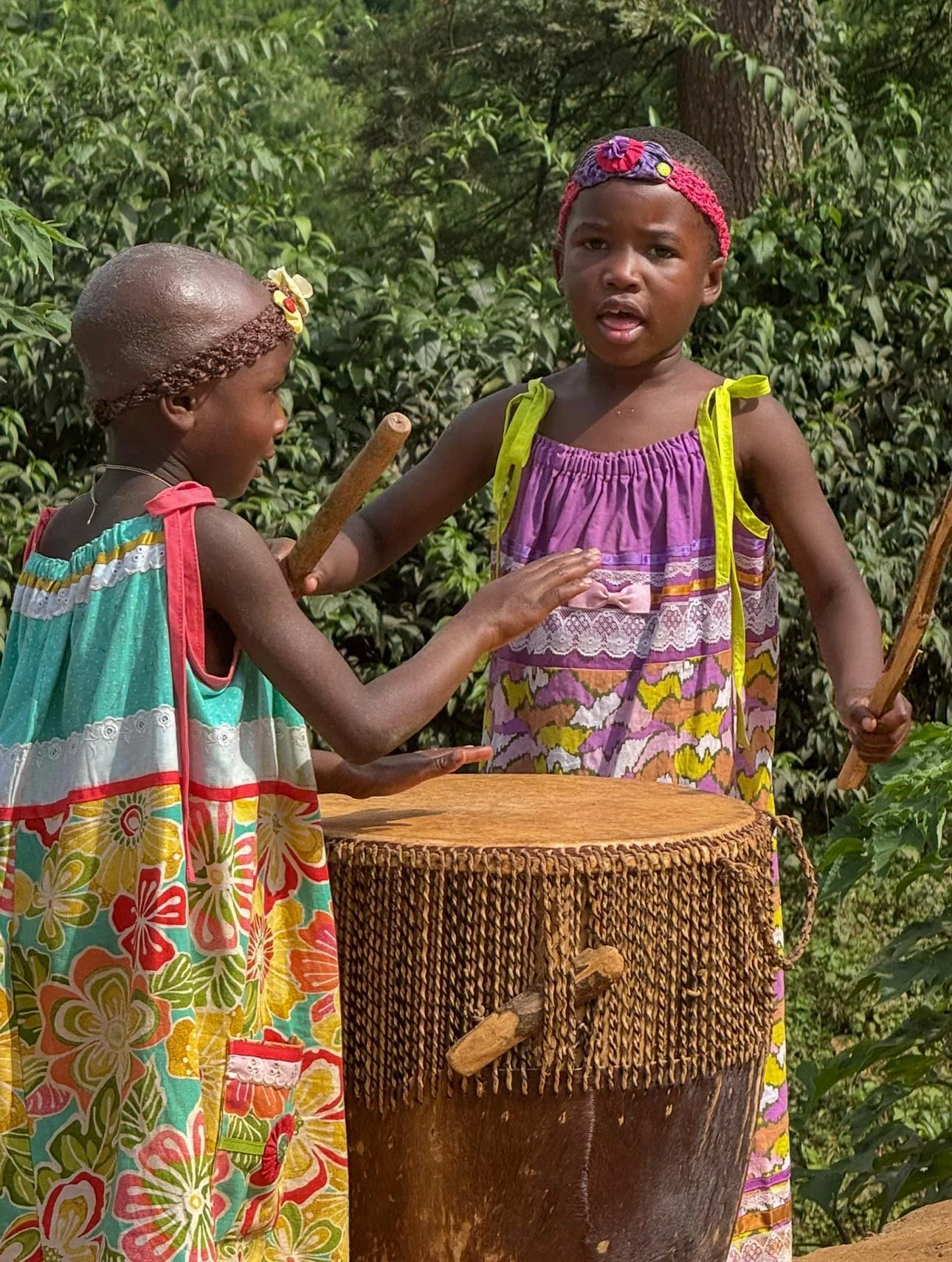
The Batwa are a resilient people with a strong cultural identity and community spirit.
With continued investment in education, healthcare, land, and sustainable development, there is real potential to improve living conditions and create a more stable future for the next generation.
The need is still great, but so is the opportunity to make a lasting impact.
